We create simple and elegant websites which bring business for you, GUARANTEED! contact for Free Quote.

The Ultimate Guide to Tulamben Bali Diving
The Ultimate Guide to Tulamben Bali Diving
Imagine waking up in a beautiful beach villa with a world class shipwreck steps from your door. This is the reality of Tulamben, Bali diving, home of the world famous USAT Liberty Wreck. The Liberty is one of the most accessible wreck dives in the world. It’s suitable for everyone from beginners to experts and even free divers. So whether you are doing your PADI Open Water course or a professional photographer, you will enjoy this site. The best part is, there are no long boat rides to worry about, its only a few meters from shore. As an added bonus, Tulamben is not just wreck diving, there is a wide variety of sites to choose from.
WW Two History with a Twist
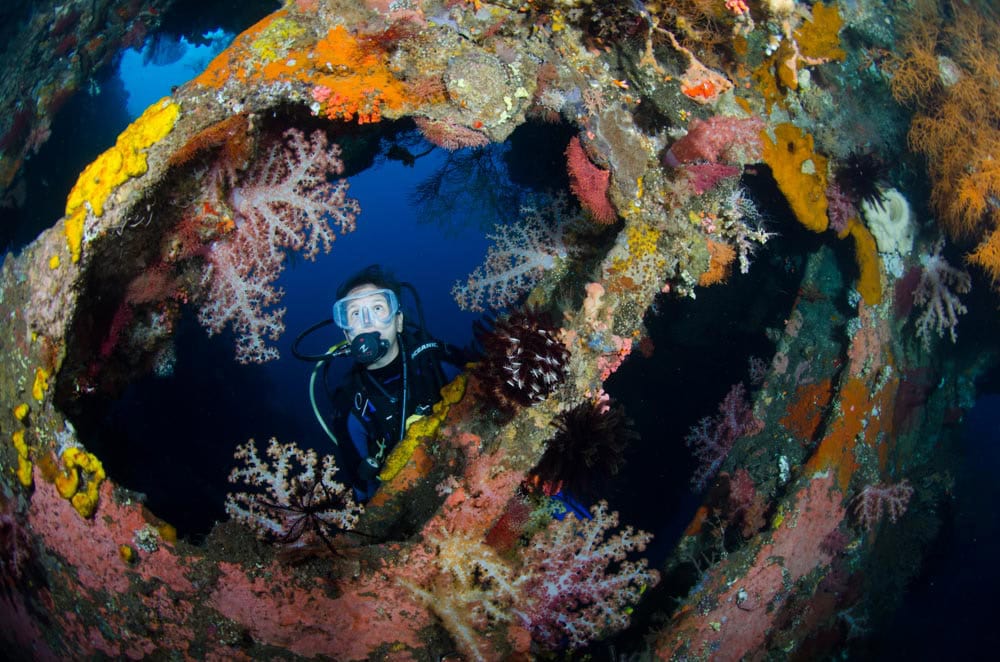
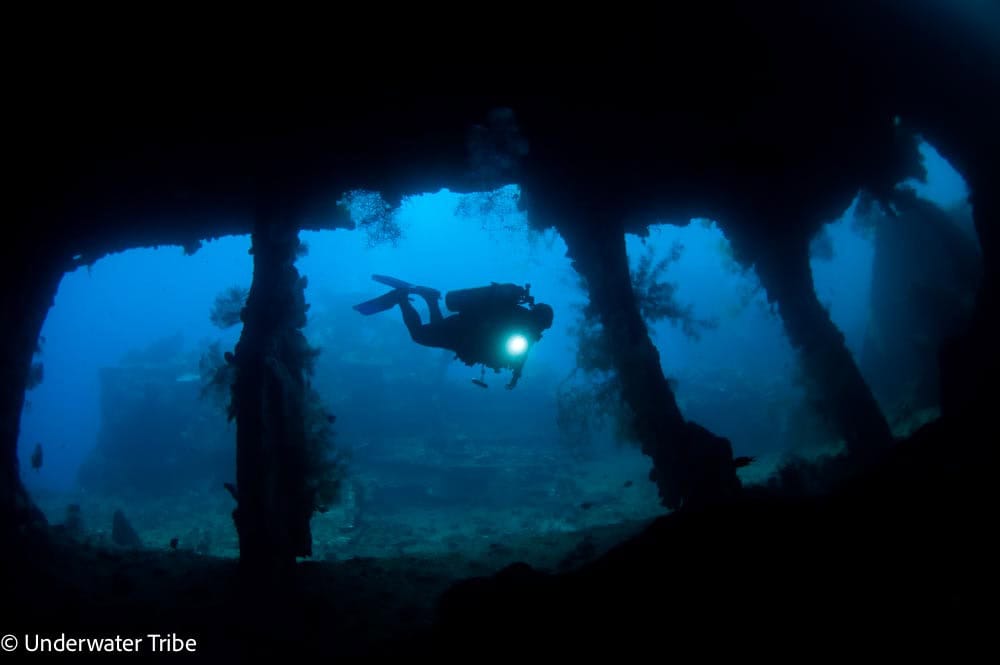
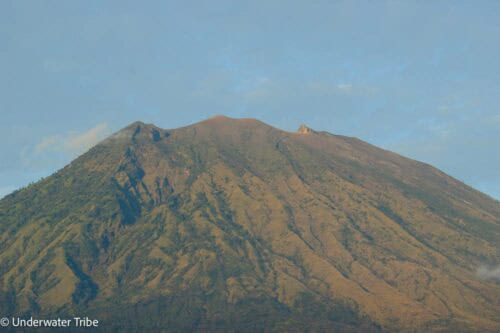
The most famous attraction to the area is undoubtedly the wreck. In fact, this dive site is what started an entire industry in the town of Tulamben, Bali. A US cargo ship, the Liberty was struck by a torpedo from a Japanese submarine in 1942. Under the guidance of a US destroyer, the ship made it to Bali and beached on the shores of this fishing village. And there it sat for 21 long years, simply rusting away as a source for scrap metal. It was in 1963 where this shipwreck truly became one of a kind. The adjacent Mt Agung volcano woke up from a long slumber and created havoc in the area. The earthquakes from this strong eruption pushed the precarious ship back into the sea where it remains to this day.
With over 60 years of submersion, this wreck has become a living coral reef. Soft corals adorn what was once superstructure and an abundance of fish shelter amongst the nooks and crannies. It’s great as a day dive and also shines brightly as a night dive. We recommend a night dive or a dawn dive for experienced divers who are visiting for the first time. And non divers can also get a great look as the stern is shallow enough to snorkel. Freedivers and snorkelers are a common sight here as its a short swim from shore. The coral encrusted stern is home to an abundance of fish that are not shy of swimmers.
The USAT Liberty Wreck – Tulamben Bali Diving
Depth: from 5 to 30 meters
Experience: For everyone, is often used as a Discover Scuba and PADI Open Water training site
Marine Life: sweetlips, snappers, clown fish, hawksbill turtles, garden eels, soft corals
Ease of Access: Simple, it lies only 20 meters from the beach. Our professional guides will help you in and out of the water so you don’t need to carry your own gear.
Beyond the Wreck – Tulamben Bali Diving
The wreck is not the only attraction in Tulamben, there are a variety of sites appropriate for all levels. Coral Garden and Drop-Off are two well known sites that many visitors explore.
 Coral Garden
Depth: from 3 to 25 meters
Experience: For everyone, this shallow reef is normally current free and shallow, a great site for beginners sampling Tulamben diving for the first time.
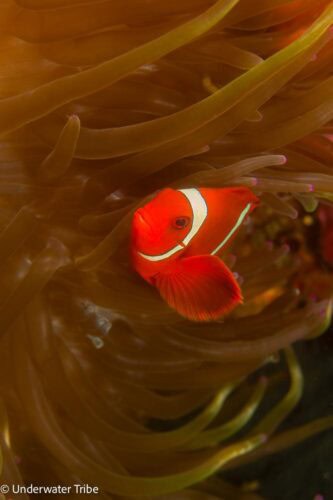
Marine Life: Many anemones and clownfish, ribbon eels, nudibranchs, sweetlips and butterfly fish. An artificial reef has been installed here and provides great cover for a variety of marine life.
Ease of Access: Very easy, walk in from shore. Our guides will give all the support you need to enter and exit. They will carry your tanks in and out as well as your camera gear.
Drop Off
Depth: from 3 to 30+ meters
Experience: A highlight of Tulamben diving and suitable for everyone. Beginners will normally stay on the sandy slope and the mini wall. More experienced divers can explore the deeper wall and the reef point.
Marine Life: Lionfish, nudibranchs, eels and cleaner shrimp are highlights of the sandy slope. The wall is home to many sea-fans and soft corals as well as anemones and schools of reef fish.
Ease of Access: Very easy, walk in from shore. Our guides will give all the support you need to enter and exit. They will carry your tanks in and out as well as your camera gear.
 Liberty Slope
Depth: from 3 to 30 meters
Experience: This site is more for macro photography lovers rather than adventure divers. It features a rather barren sandy slope with a few bommies here and there. What may be boring for beginners is actually a top site for photographers and a keen eyed guide.
Marine Life: Ghost pipefish, long armed octopus, frogfish, cryptic shrimp and nudibranchs. The typical macro critters of the black sand Tulamben diving environment.
Ease of Access: Very easy, walk in from shore. Our guides will give all the support you need to enter and exit. They will carry your tanks in and out as well as your camera gear.
What’s Around the Corner?
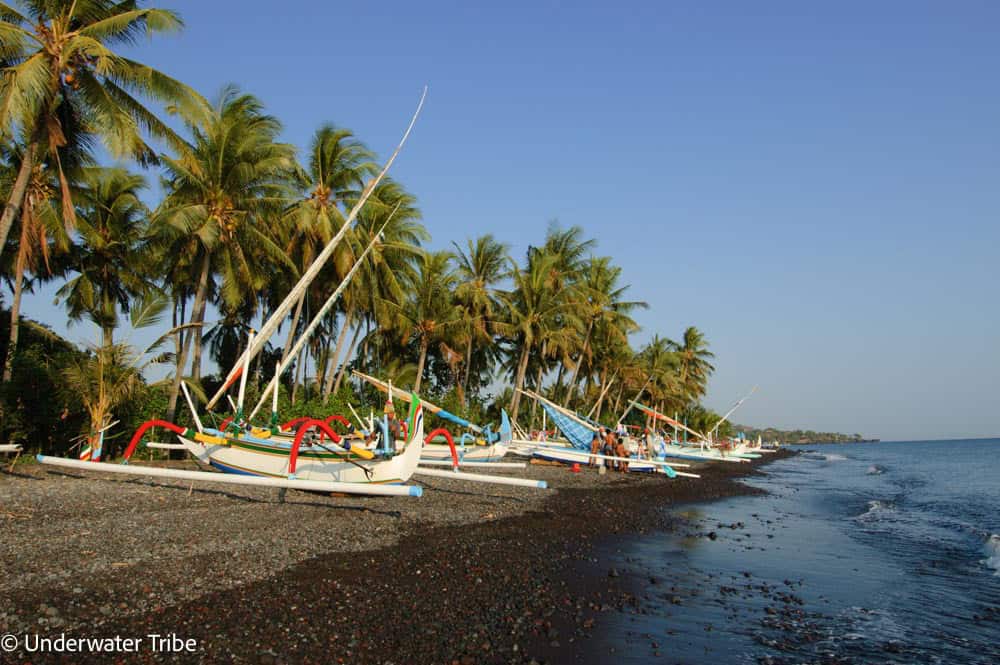
There are four dive sites around the corner from Drop Off that are accessible by boat. Divers and guide simply hire a local “jukung” and set off for a short ride to these sites. These sites include Palung Palung, Alam Anda, Batu Kelibit, and Emerald. All of these sites offer hard corals in the shallows and slopes leading to the depths. The slopes are typically adorned with barrel sponges, sea fans and soft corals. These are great sites to encounter turtles as well as other larger fish swimming in the blue. All four sites are considered drift dives so are perfect for those with an Advanced PADI certificate. Divers will typically embark and disembark their “jukung” boat from Drop Off beach.
Book Your Tulamben Bali Diving
Are you ready to explore Tulamben? At the Underwater Tribe, our guides are experts in the area. Diving with our team means you have your own private guide and driver for your adventure. We handle your gear, snacks, drinks and transport. All you need to do is dive! Our team will pick you up in South Bali, transport you to your accommodation in Tulamben and stay with you throughout your stay. Tulamben is only one destination for keen divers in Bali. If you would like to see all that Bali has to offer then our custom Bali Safaris are the best way option. If you don’t have DAN diving insurance then please let us know before your trip. We are happy to sign you up for DAN Short Term diving insurance for the duration of your diving.
Contact Us today via email or WhatsApp to start planning your Tulamben diving holiday.
Raja Ampat 2026 Trip Report Video
Raja Ampat 2026 Trip Report Video
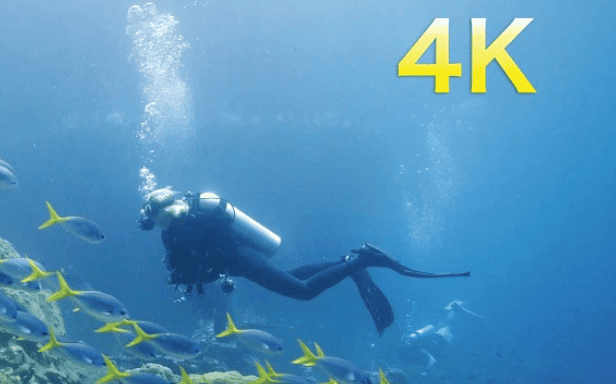
Our Raja Ampat 2026 Trip Report video is now online! We have recently returned from an amazing back to back trip to Raja Ampat. With two great groups of guests, we were hosted by the beautiful Samambaia liveaboard. We had two fantastic trips with wonderful weather and great diving. If you would like to read more about the trips, our Trip Report has all the details and some highlight photos.
One of the great elements of being able to dive in a place like Raja Ampat for two weeks is the underwater encounters. We visited all of the top sites in the Central and Misool areas with many being visited on more than one occasion. This allowed us to film a lot of great scenics and behaviour throughout our visit. The opportunity to dive sites more than once is under appreciated. What you may have missed the first time means you can zero in on that subject the second time around. This was exactly what Luca was able to do on this trip. The mangroves and a particularly cooperative school of barracuda were two such subjects.
Manta Rays – Raja Ampat 2026 Trip Report Video
Of course Raja Ampat is well known for manta ray encounters. Our trips did not disappoint with these charismatic giants. Several sites in both the south and central areas presented us with mantas. However, there was no better encounter than the feeding aggregation that we witnessed and were able to swim with. The manta scenes start around the 31 minute mark and believe me you want to stick around to watch those!
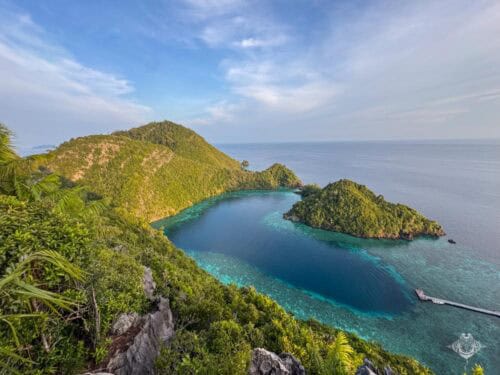 Other highlights include a big school of bumphead parrotfish, a tornado of barracudas, and the unique archer fish in the clear water mangroves. Of course there is ample footage of the beautiful coral reefs that make Raja Ampat so well known. Turtles, schooling sweetlips, wobbegong sharks, and big schools of fish are featured. With the relaxing music as a background, this video is a great background to play on your TV, sit back and enjoy!
Diving Raja Ampat
Although we don’t have our next trip to Raja lined up just yet, we will certainly be returning. If you would like to be informed of all our upcoming expeditions then the best way is signing up for our Newsletter. You can find the link to the newsletter at the top of every page. We only send it out a few times per year so you won’t be inundated with junk mail. Our trips also include other top locations such as Komodo and the Banda Sea, if these interest you then please keep in touch.
We recommend making the video full screen and watching on your TV!
Five Must Shoot Underwater Photo Subjects in Bali
Five Must Shoot Underwater Photo Subjects in Bali
If you’ve ever been diving in Bali, you already know that Bali is more than just a holiday island—it’s a playground for the underwater photographer. Whether you are a wide-angle junkie chasing giants or a macro enthusiast hunting for the bizarre, Bali has a way of delivering “the shot”. For those who have yet to experience the wonders of diving here, you may not know what to expect. To make things a little easier by creating a short list of some of our favourites. Here are “Five Must Shoot Underwater Photo Subjects in Bali” every visting diver should have in their portfolio.
1. The USAT Liberty Wreck
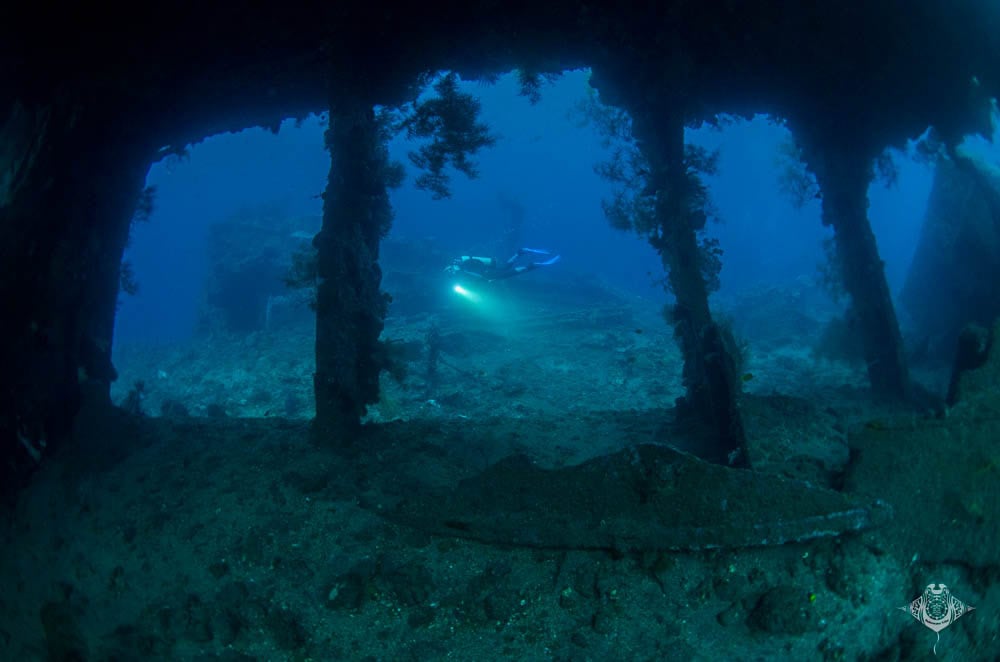
The Liberty is synonymous with diving in Bali. It’s a world class dive site that has been central to diving on the island for decades. This WW Two era ship was torpedoed by the Japanese in 1942 and beached on the shores near Tulamben. The wreck sat there for 20 years on the shore until the large eruption of Agung Volcano and its associated earthquakes pushed the ship further into the sea, where it has stood since 1963. With over 50 years of coral growth, the ship is a true artificial reef. Home to an abundance of soft coral and sea fans, the wreck also boasts a lot of fish life. Grouper, snappers, sweetlips and more all find shelter inside the many crooks and crevices of the ship. For wide angle and wreck diving enthusiasts its well worth several dives on a trip.
The Shot: Although there is plenty of fish life on the wreck, the most iconic shot is capturing the mystery of a diver exploring the large cargo hold.
Photo Tip: Use a wide-angle lens and try to visit the wreck when there are not many divers around. Its always best to keep an eye on the surroundings as often other divers can appear out of nowhere and ruin a great shot.
2. The Manta Rays of Nusa Penida
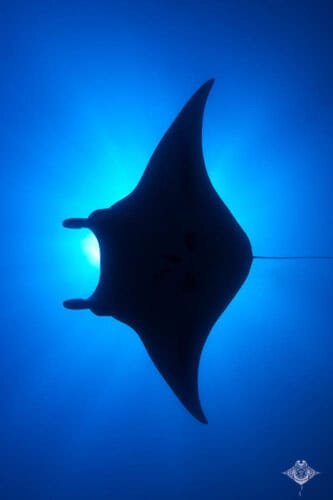
No Bali photo safari is complete without a trip to Manta Point. Graceful manta rays are year round residents and can be found from the surface down to 20 plus meters. These gentle giants are always an amazing encounter for underwater photographers and non photographers alike.
The Shot: The goal here is capturing a Manta Ray silhouetted against the sun’s rays in shallow, clear water.
Photo Tip: Don’t chase the mantas. Find a spot hovering over the reef near the cleaning station and stay still. Let the mantas get curious and come to you. Don’t go on top of the cleaning station as this will scare the mantas away. This “passive interaction” results in much better eye contact and more natural poses. Wide-angle is a must to capture the sheer size of one or more of these rays.
3. The Elusive Mola (Sunfish)
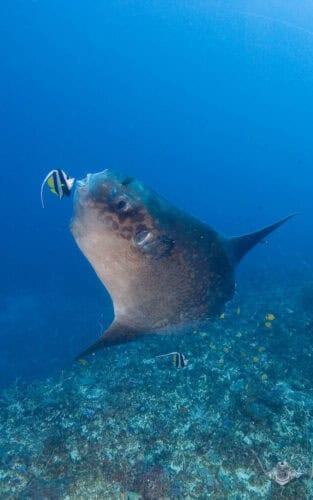
If your visit falls between July and October, the Mola alexandrini is the holy grail of encounters. These deep-water giants rise to the cleaning stations around Nusa Penida and Padang Bai offering a rare chance to photograph one of the ocean’s most unusual fish. This largest of the bony fish comes to the reef during this time of year to allow small fish to clean the parasites off its skin.
The Shot: A vertical composition often works best for Mola Mola to emphasize their tall dorsal and anal fins.
Photo Tip: Because Mola encounters often happen at 20-30 meters, light is your biggest challenge. Keep your strobes on a lower power setting to avoid backscatter from the nutrient-rich water, and try to use a slightly higher ISO to capture the ambient blue of the deep.
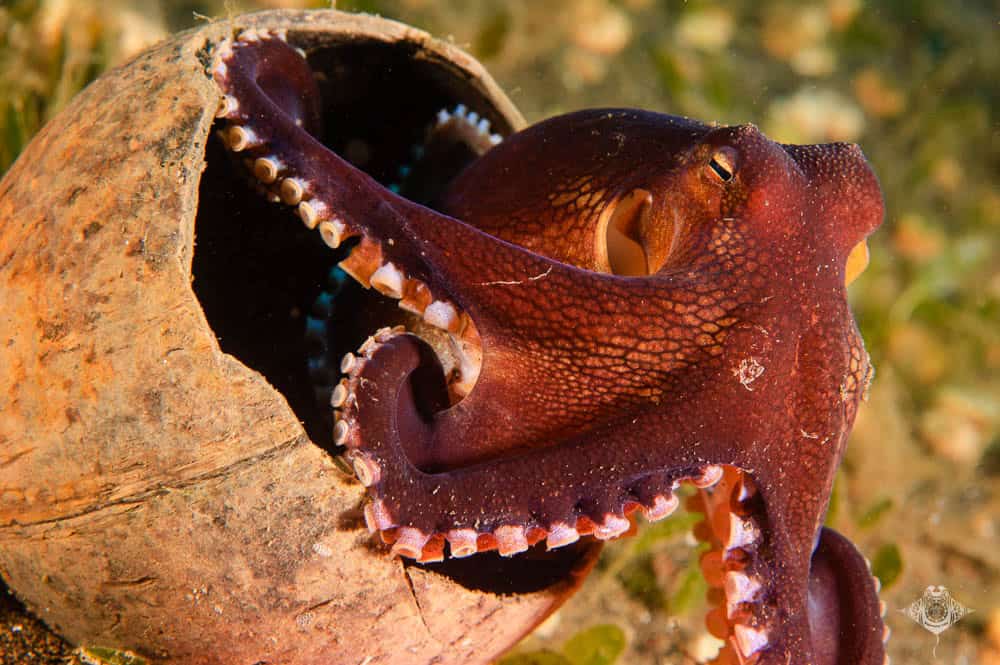
4. Coconut Octopus (Amed and Puri Jati)
Moving from the giants to the macro gems, the coconut octopus is a macro photographer’s dream. Often found on the black volcanic sand of the north east and north of the island, they are active both day and night.
The Shot: A cooperative octopus posing with a coconut or clam shell. These octopus nearly always use some sort of protective shell as protection and will actively seek them out.
Photo Tip: Don’t use your longest macro lens. These octopus are normally fist sized or larger and become much bigger with their tentacles out. Trying to shoot one with a narrow lens means only a portrait shot of the head and can lead to missing out on the bigger picture. Because they live on the sand, getting your camera housing as low as possible is key.
5. Friendly Turtles
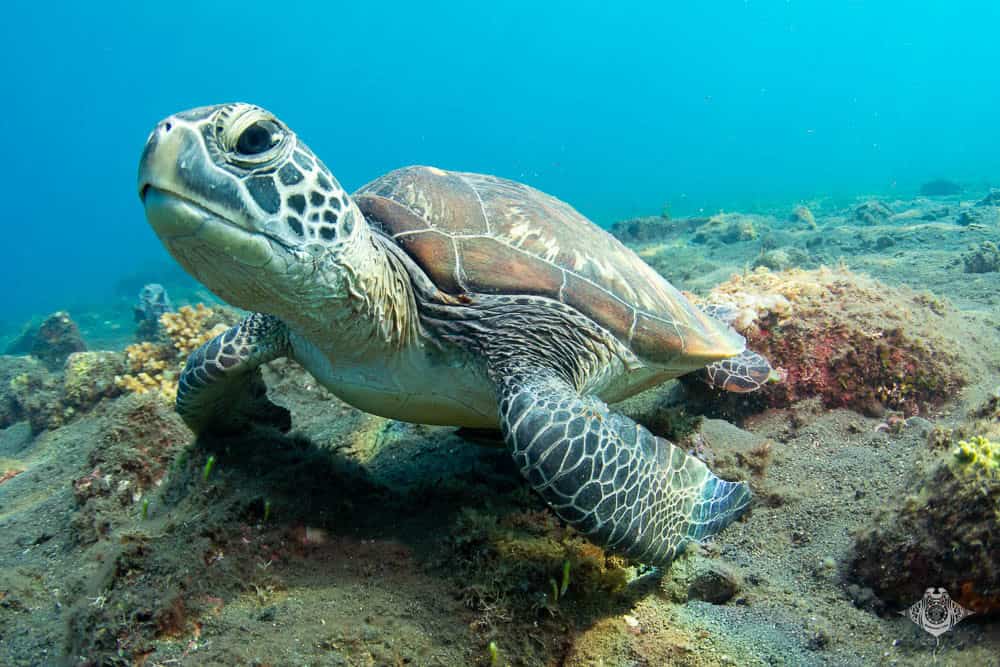
Sea turtles are always a favorite of the underwater photographer. There seem to be two types of turtles in the world, ones that flee from scuba divers and the chill kind who don’t let anything bother them. Luckily Bali tends to be home to the chilled variety, in both Green and Hawksbill species. Tulamben and Amed are fantastic places to encounter turtles in all sort of environments, from the shallow seagrass beds to the coral reefs and even on the Liberty Wreck.
The Shot: A charismatic creature like a turtle needs great eye contact for a photo to be compelling, therefore, a photo of the turtle holding direct contact with the camera is the key to success.
Photo Tip: Although they may be bold, turtle won’t stick around long for obnoxious divers. Getting close requires a bit of stealth and calmness. Take a practice shot of a similar sized coral head first to make sure your settings are right before approaching a turtle. The less you need to move strobes, knobs and dials on your camera the longer the turtle will stick around.
Join the Tribe in 2026 and Find the Five Must Shoot Underwater Photo Subjects in Bali
Whether you are a seasoned pro or a new underwater photographer, Bali offers the perfect mix of subjects. Our Custom Bali Photo Dive Trips are designed to put you in front of these incredible subjects with expert guidance every step of the way. Ready to fill your memory cards? Check out our selection of Bali Diving Safaris or let us know your preferences and we can customize your perfect itinerary. Join us for a dive into the heart of the Coral Triangle!
Lembeh Photo Subjects
Lembeh Photo Subjects
“What subjects are we going to shoot there?” This is one of the most common questions we receive before a trip to NAD Lembeh Resort. This is not as easy of a question as you may think. Therefore, we thought we would write a little something to discuss different Lembeh photo subjects that most everyone will see. There are many factors that can influence what animals are seen including temperature, time of year and rain volume. Some creatures are seasonal in the strait while others are common year round. Another influence on critter sightings is the topography of the dive site. Lembeh boasts many different environments such as black sand, white sand, rubble, and coral dives. There are also a few walls and seamounts that are regularly visited.
With such a variety of environments, it means there are hundreds of species to encounter. These range from fish to invertebrates as well as favourites such as nudibranchs and octopus. Although we know the general common photo subjects that are always there, we can’t say 100% if you will find all the famous Lembeh inhabitants. Many visitors come to Lembeh armed with a “critter list” but it’s important to remember that nature doesn’t always provide. Although the guides always do their best, sometimes it’s not the ideal time of year for a certain subject. Keep in mind, if you didn’t find all the critters you were after, it’s a great opportunity for an excuse to visit again!
What Subjects Are Found Year Round?
Certain photo subjects however are pretty much guaranteed year round. Here we list some of the most consistent and interesting critters that you may encounter in the Lembeh Strait no matter what time of year you visit.
Lemon Goby
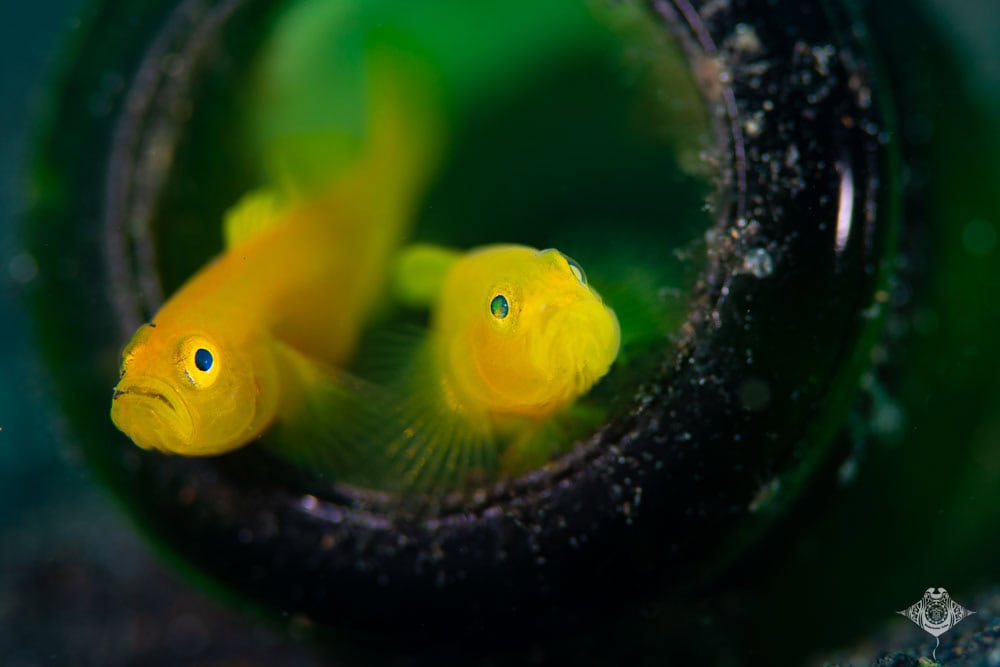
The lemon goby is always a favourite among photographers. These charismatic little fish are often found living in discarded bottles or other items such as wood or coconut shells. They are usually found in pairs and often with a batch of eggs they zealously guard. Their bright colour and humorous antics are always a delight to encounter.
Nudibranch with Hitchhiker Shrimp
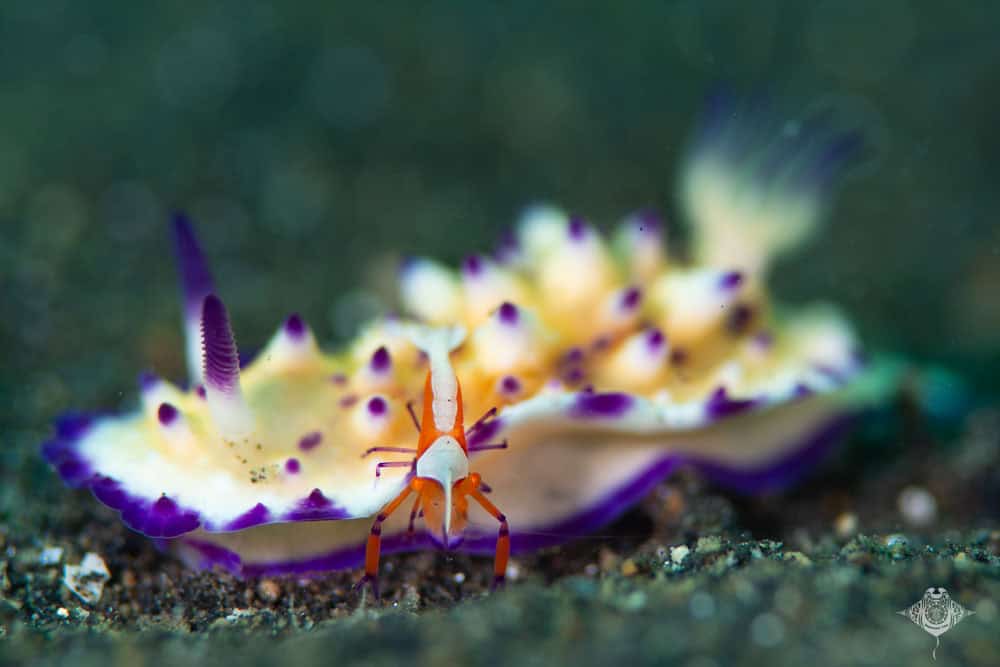
The hitchhiking emperor shrimp can be found on several subjects including sea stars and cucumbers. However, the favourite subject for photographers are when they are found on nudibranchs (several species of nudibranchs can be home to shrimp). They form a commensal relationship that tends to be benefit the shrimp more than the nudibranch. The shrimp gets a free ride and access to a larger area to feed. The movements and feeding habits of the nudibranch stir up detritus that the shrimp feeds on. The shrimp also gains a place to hide as it can tuck itself in the folds or under the slug when predators are near. The nudibranch doesn’t gain much from this relationship other than a fleeting sense of fame as it becomes a more attractive photo subject!
Long Arm Octopus
Although this photo is of the “Long arm or White V octopus” there are three long arm species (if not more) that can be found: the mimic, the white v and the wonderpus. Although all three can be found on a single trip to Lembeh, this isn’t always guaranteed. The white v and the mimic prefer black sandy sites such as TK and Aer Bajo. The wonderpus on the other hand is more often found in rubble environments and sites such as Pantai Parigi and Nudi Falls.
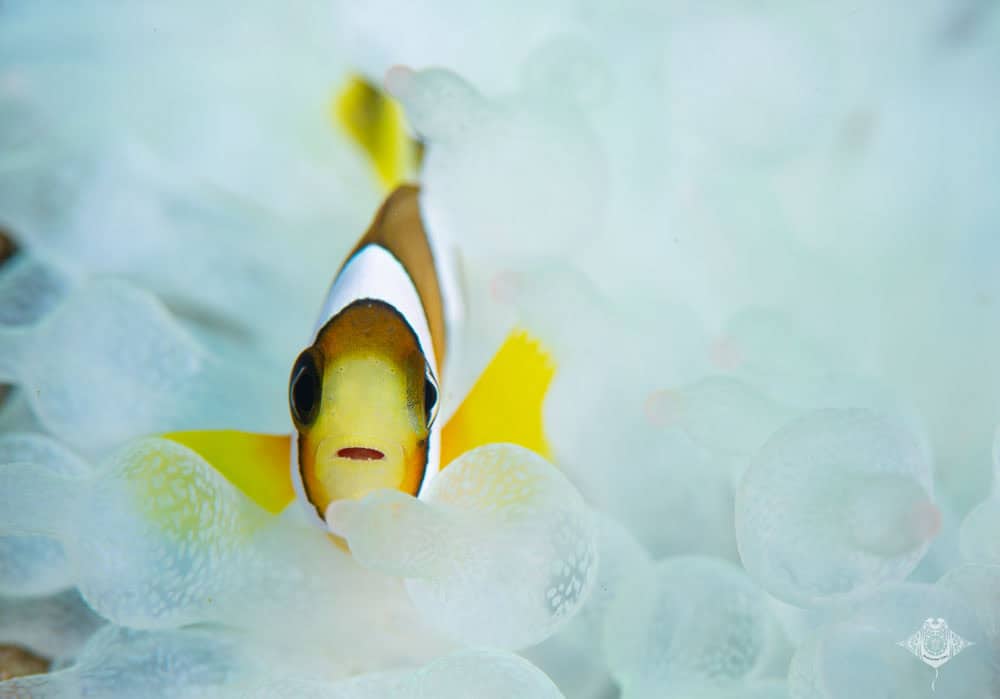
Finding Nemo
Of course in the Indo-Pacific region anemones and their clownfish are common including in Lembeh. Although many people may pass over the clownfish in the pursuit of more “exotic” subjects, this can be a mistake. These brightly coloured fish are a great subject to shoot when trying to improve skills or work on a new technique. There are more than ten species of clownfish in Indonesia and most are found in Lembeh. What’s even better, is the vast number of colours that their host anemones can boast. Just because you may have shot these fish before doesn’t mean you can’t shoot them again and again!
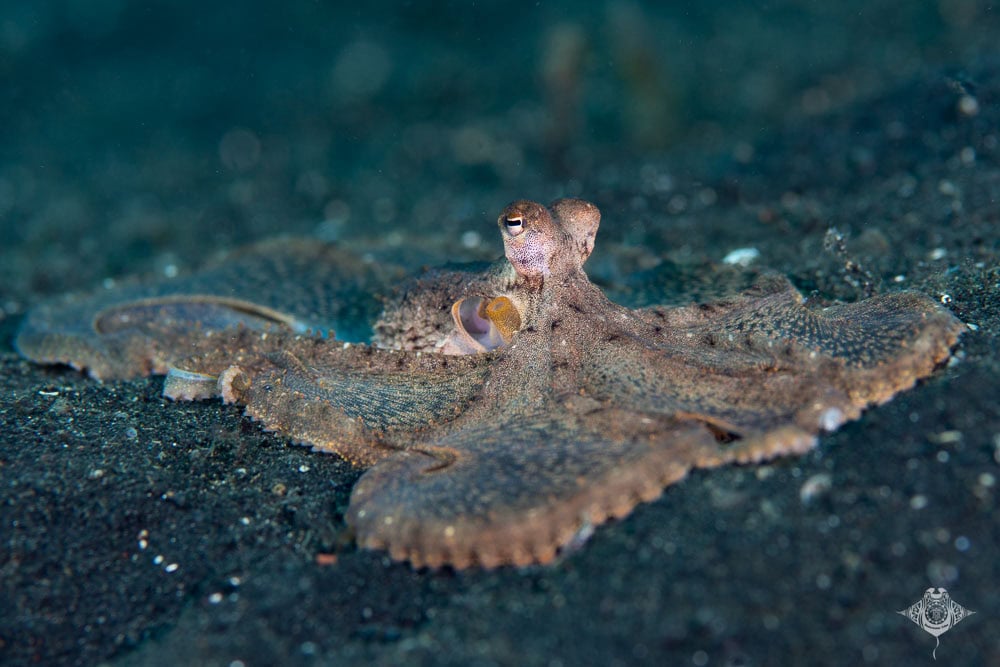
The Coconut Octopus – Most Sought After Lembeh Photo Subject?
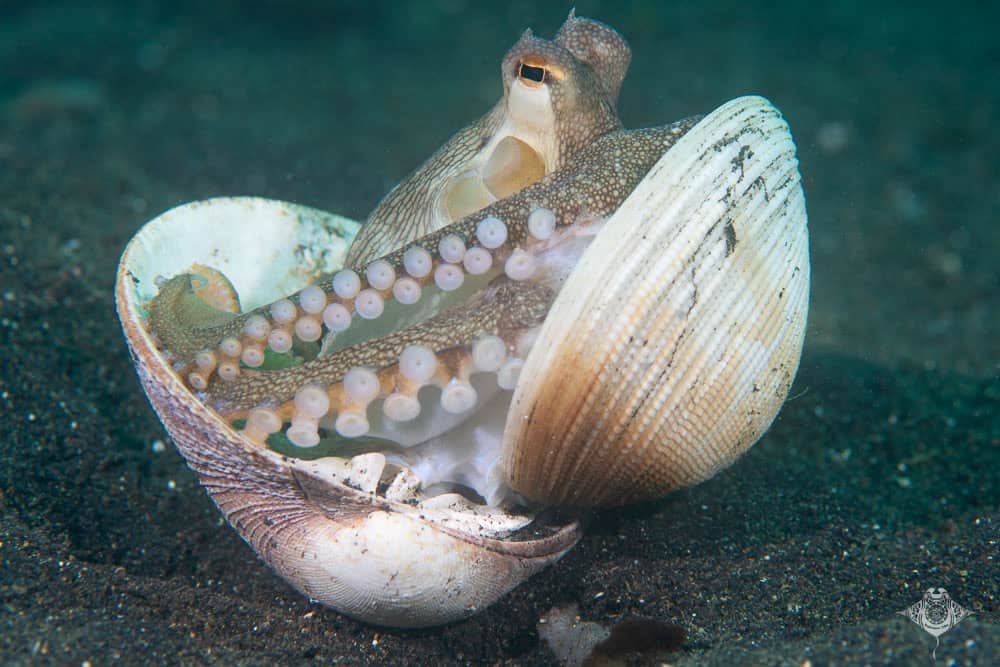
With the recent popularity of several highly commended nature documentaries, the coconut octopus has become a very sought after creature. Their intelligence and innate boldness make them a worthy subject. Not only are they interesting to photographers, coconut octopus are one of the most interesting octopi of all. When they make a home from a shell or coconut and a second octopus appears its game on. Watching two of these fist sized cephalopods tussle over a shell is the highlight of any dive. Videographers and photographers alike will gladly spend hours watching these wonderful creatures.
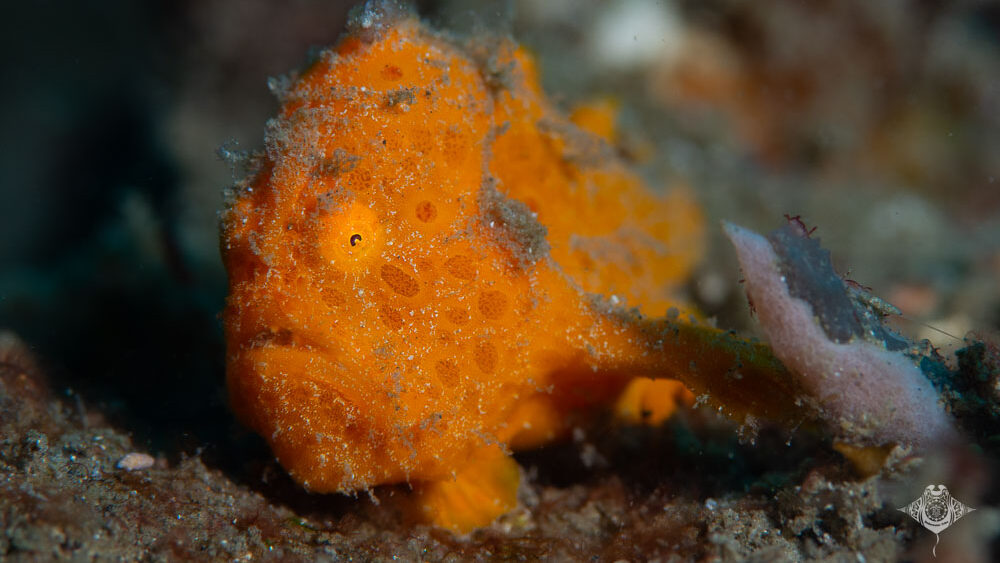
The Frogfish
The frogfish is atop many a divers wish list. They come in a variety of sizes and shapes, from as small as pea as large as a soccerball. Although they don’t move a lot, their sheer ugliness and cryptic nature makes them a favourite of photographers. It’s not just the photo itself, it’s the thrill of finding such a difficult to find fish. The variety of different species is also a big attraction as each one looks much different than the others. The biggest bucket list frogfish is the “hairy” frog and it’s always exciting when one of these is found. Although the “hairy” is not that common, there are always a number of different species present around the strait that photographers will love. I believe everyone who visits Lembeh will encounter at least one froggie during their dives.
We visit Lembeh often, including our annual photo fun week every July/August. Over the years, we have learned which Lembeh photo subjects are most common as well as most sought after by photographers. This above list of critters is only the tip of the iceberg of what you will find in Lembeh. However, we are pretty confident to state that you will encounter all of these on a normal week during any time of year. In fact, all of these photos were shot during our July 2025 photo week a few months ago! If you are interested in encountering and photographing these subjects, then please peruse our 2026 Photo Workshop page for more information.
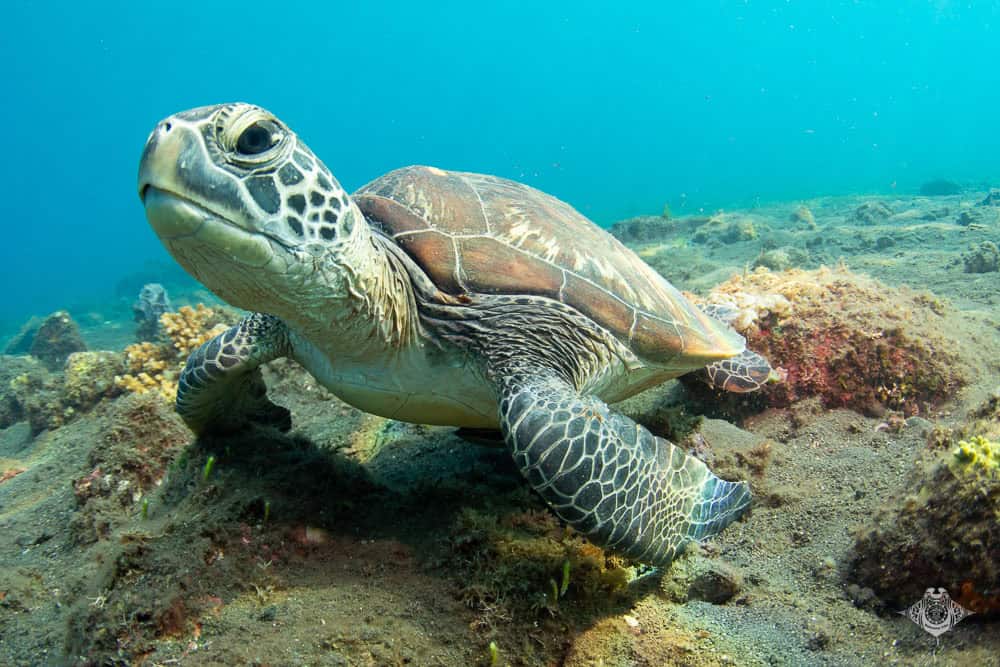
Green Turtles – Animal Encounters
Green Turtles
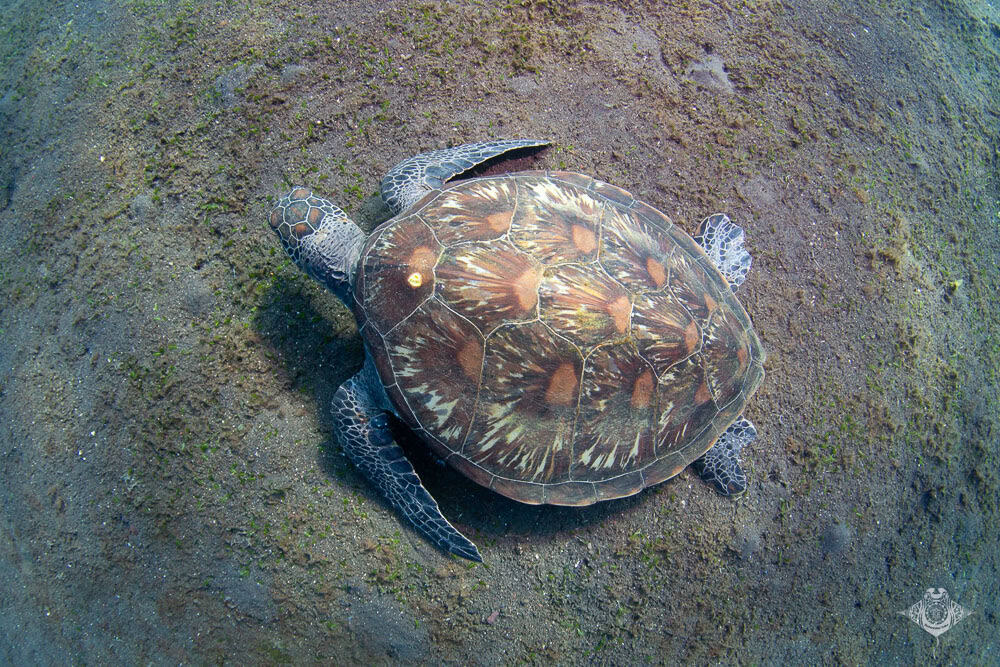
Have you ever encountered a Green Turtle underwater? Oftentimes these gentle marine reptiles are shy around divers. However, in certain areas of the world they are bold and not scared around scuba divers. In Bali, we are lucky to encounter confident turtles both green and hawksbill on a number of sites all around the island.
The green turtle, Chelonia mydas, is found in all tropical and subtropical oceans of the world. Although young greens eat jellyfish and molluscs, as they age they turn to a herbivorous diet. Bali is home to numerous seagrass environments that are perfect for hungry turtles. Areas such as Amed and Tulamben are home to dozens of green turtles.
The Amed and Tulamben areas feature plains of seemingly never ending black sand slopes. The slopes are the perfect environment for sea grass. As luck would have it, these seagrass beds are home to a a large number of green turtles that are perfect photography subjects. These slow moving turtles love to spend time in the shallow water grazing amongst the grass. It’s not uncommon to see 3 or 4 of these endangered reptiles on a dive. As an added bonus, it’s often easy to get close to Bali turtles as they are used to divers. Although it’s common to shoot macro on many of these sites, having a wide angle setup is often fruitful. Click hereto read more about what to expect on Bali diving sites.
Lembeh Photo Week 2026 Announced
Lembeh Photo Week 2026
We are happy to say that the dates for our 2026 Photo Week at NAD Lembeh Resort have officially been announced. Our annual visit to Lembeh is one of the highlights of our year and has been for 13 years. We would love to welcome you to NAD Lembeh in July 2026 to enjoy the amazing diving the area has to offer. For 2026 we are in Lembeh for a Pre Workshop Warm Up, the Photo Workshop, and a post workshop Fun Week.
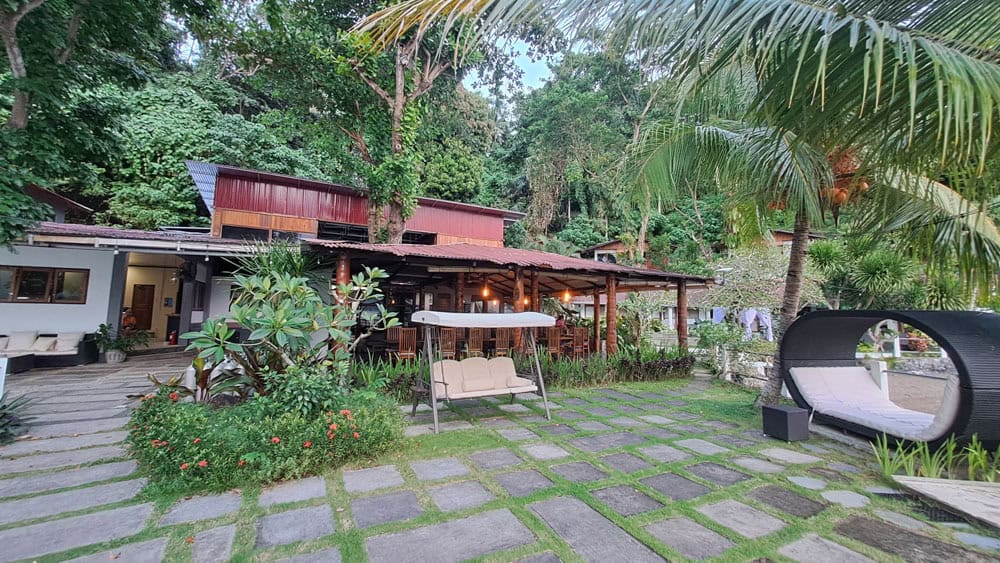
The Warm Up Week
What is a warm up week? It’s simple really, we have dedicated a few days ahead of the workshop to get back into diving without pressure. This is your way to try out some new dive gear or make sure all your kit is working correctly. Many folks feel tired after long flights and don’t want to jump straight into the learning and enjoy a few days of relaxation first. The photo coaches will be on hand during this time but will not be doing any formal presentations. However, they will answer questions or help with gear setup. They will also be diving and taking photographs during these days. The Warm Up week runs from the 18th of July until the 24th.
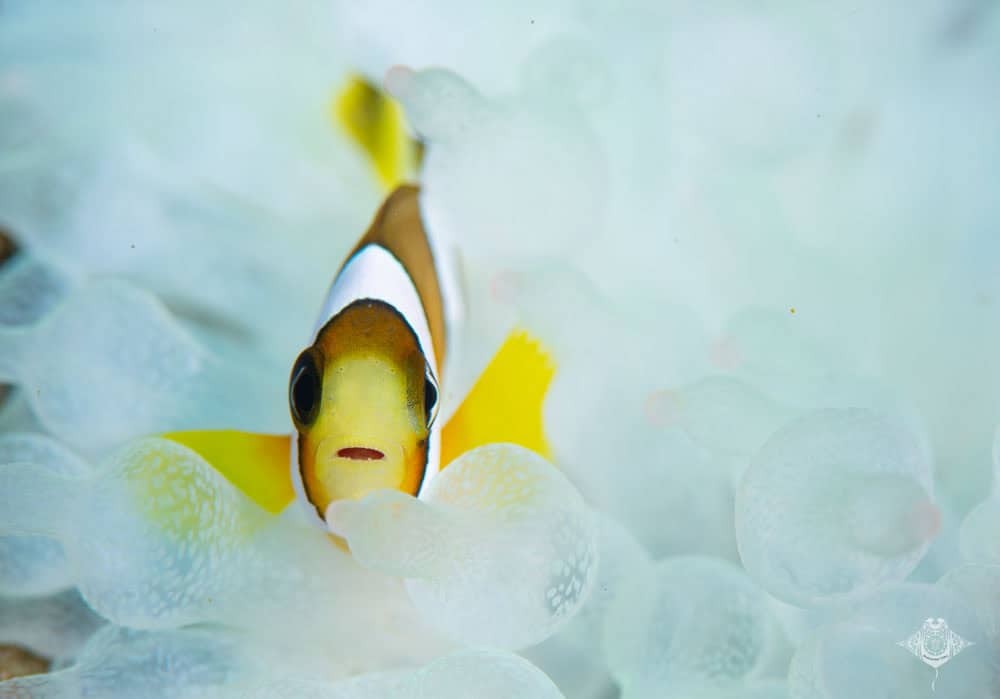
Lembeh Photo Week 2026 Workshop
The workshop itself officially begins on the 24th with an introductory session at 6pm and a wonderful slideshow by Sam from NAD. The diving during the workshop starts on the 25th with 3 dives per day up to the 31st when there are 2 dives scheduled. This an 8 night/20 dive schedule for the workshop itself, but of course more dives and nights can be added. The event ends on the night of the 31st with the finals BBQ and a slideshow of everyone’s images. During the workshop week the coaches don’t carry cameras and instead work with divers underwater. It’s truly a great way to learn more about underwater photography in a friendly and non-competitive atmosphere.
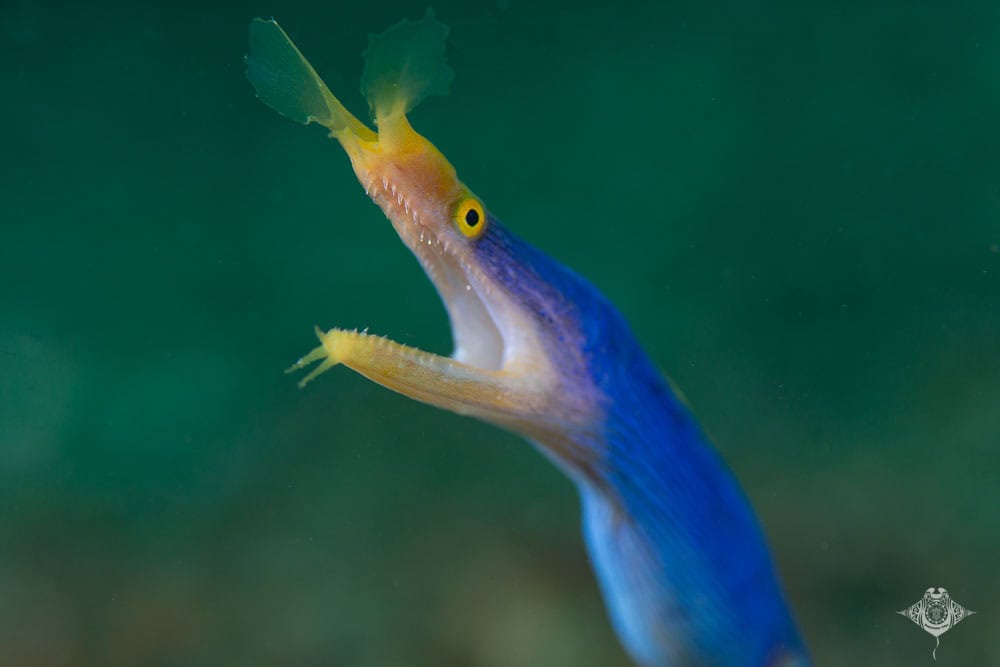
Photo Fun Week
The Photo Fun Week is a great way for everyone to wind down after a hard week of learning! In 2025 everyone spoke about how great it was to stay on after the workshop for a few days. After the workshop ends its a great way to relax and enjoy the company of friends while diving. Of course the coaches will continue to offer advice but they will dive with their cameras after the workshop. The Fun Week offers the perfect way to continue taking photographs while putting new techniques into practice. You will also get a chance to revisit some of your favourite subjects. Besides, who can pass up a few more days of diving at Lembeh Strait!?
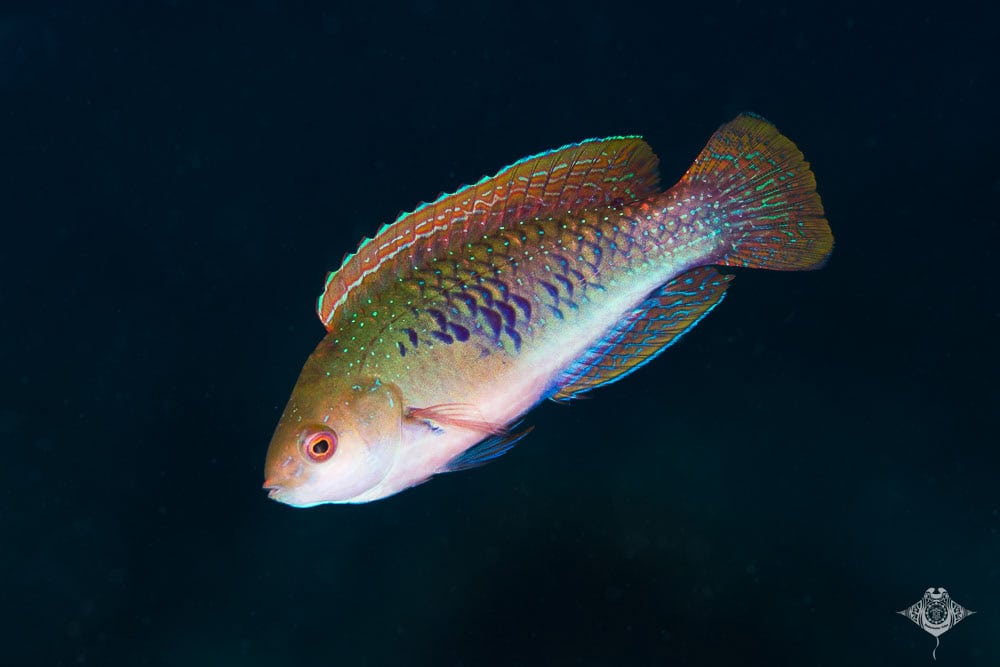
We have posted a page about the workshop with more detail here: Lembeh Photo Workshop 2026. Interested in joining us in July 2026? We still have spaces available, an 8 night/20 dive package starts at USD $2892/per person based on double/twin occupancy.
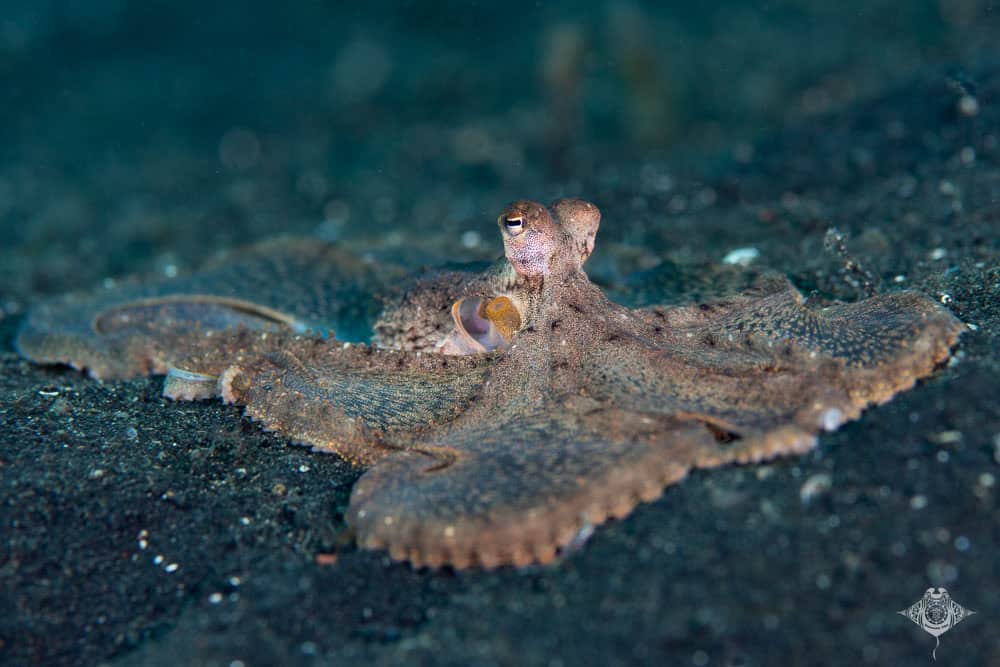
The Ultimate Guide to Tulamben Bali Diving
The Ultimate Guide to Tulamben Bali Diving
Imagine waking up in a beautiful beach villa with a world class shipwreck steps from your door. This is the reality of Tulamben, Bali diving, home of the world famous USAT Liberty Wreck. The Liberty is one of the most accessible wreck dives in the world. It’s suitable for everyone from beginners to experts and even free divers. So whether you are doing your PADI Open Water course or a professional photographer, you will enjoy this site. The best part is, there are no long boat rides to worry about, its only a few meters from shore. As an added bonus, Tulamben is not just wreck diving, there is a wide variety of sites to choose from.
WW Two History with a Twist
The most famous attraction to the area is undoubtedly the wreck. In fact, this dive site is what started an entire industry in the town of Tulamben, Bali. A US cargo ship, the Liberty was struck by a torpedo from a Japanese submarine in 1942. Under the guidance of a US destroyer, the ship made it to Bali and beached on the shores of this fishing village. And there it sat for 21 long years, simply rusting away as a source for scrap metal. It was in 1963 where this shipwreck truly became one of a kind. The adjacent Mt Agung volcano woke up from a long slumber and created havoc in the area. The earthquakes from this strong eruption pushed the precarious ship back into the sea where it remains to this day.
With over 60 years of submersion, this wreck has become a living coral reef. Soft corals adorn what was once superstructure and an abundance of fish shelter amongst the nooks and crannies. It’s great as a day dive and also shines brightly as a night dive. We recommend a night dive or a dawn dive for experienced divers who are visiting for the first time. And non divers can also get a great look as the stern is shallow enough to snorkel. Freedivers and snorkelers are a common sight here as its a short swim from shore. The coral encrusted stern is home to an abundance of fish that are not shy of swimmers.
The USAT Liberty Wreck – Tulamben Bali Diving
Depth: from 5 to 30 meters
Experience: For everyone, is often used as a Discover Scuba and PADI Open Water training site
Marine Life: sweetlips, snappers, clown fish, hawksbill turtles, garden eels, soft corals
Ease of Access: Simple, it lies only 20 meters from the beach. Our professional guides will help you in and out of the water so you don’t need to carry your own gear.
Beyond the Wreck – Tulamben Bali Diving
The wreck is not the only attraction in Tulamben, there are a variety of sites appropriate for all levels. Coral Garden and Drop-Off are two well known sites that many visitors explore.
Coral Garden
Depth: from 3 to 25 meters
Experience: For everyone, this shallow reef is normally current free and shallow, a great site for beginners sampling Tulamben diving for the first time.
Marine Life: Many anemones and clownfish, ribbon eels, nudibranchs, sweetlips and butterfly fish. An artificial reef has been installed here and provides great cover for a variety of marine life.
Ease of Access: Very easy, walk in from shore. Our guides will give all the support you need to enter and exit. They will carry your tanks in and out as well as your camera gear.
Drop Off
Depth: from 3 to 30+ meters
Experience: A highlight of Tulamben diving and suitable for everyone. Beginners will normally stay on the sandy slope and the mini wall. More experienced divers can explore the deeper wall and the reef point.
Marine Life: Lionfish, nudibranchs, eels and cleaner shrimp are highlights of the sandy slope. The wall is home to many sea-fans and soft corals as well as anemones and schools of reef fish.
Ease of Access: Very easy, walk in from shore. Our guides will give all the support you need to enter and exit. They will carry your tanks in and out as well as your camera gear.
Liberty Slope
Depth: from 3 to 30 meters
Experience: This site is more for macro photography lovers rather than adventure divers. It features a rather barren sandy slope with a few bommies here and there. What may be boring for beginners is actually a top site for photographers and a keen eyed guide.
Marine Life: Ghost pipefish, long armed octopus, frogfish, cryptic shrimp and nudibranchs. The typical macro critters of the black sand Tulamben diving environment.
Ease of Access: Very easy, walk in from shore. Our guides will give all the support you need to enter and exit. They will carry your tanks in and out as well as your camera gear.
What’s Around the Corner?
There are four dive sites around the corner from Drop Off that are accessible by boat. Divers and guide simply hire a local “jukung” and set off for a short ride to these sites. These sites include Palung Palung, Alam Anda, Batu Kelibit, and Emerald. All of these sites offer hard corals in the shallows and slopes leading to the depths. The slopes are typically adorned with barrel sponges, sea fans and soft corals. These are great sites to encounter turtles as well as other larger fish swimming in the blue. All four sites are considered drift dives so are perfect for those with an Advanced PADI certificate. Divers will typically embark and disembark their “jukung” boat from Drop Off beach.
Book Your Tulamben Bali Diving
Are you ready to explore Tulamben? At the Underwater Tribe, our guides are experts in the area. Diving with our team means you have your own private guide and driver for your adventure. We handle your gear, snacks, drinks and transport. All you need to do is dive! Our team will pick you up in South Bali, transport you to your accommodation in Tulamben and stay with you throughout your stay. Tulamben is only one destination for keen divers in Bali. If you would like to see all that Bali has to offer then our custom Bali Safaris are the best way option. If you don’t have DAN diving insurance then please let us know before your trip. We are happy to sign you up for DAN Short Term diving insurance for the duration of your diving.
Contact Us today via email or WhatsApp to start planning your Tulamben diving holiday.
Raja Ampat 2026 Trip Report Video
Raja Ampat 2026 Trip Report Video
Our Raja Ampat 2026 Trip Report video is now online! We have recently returned from an amazing back to back trip to Raja Ampat. With two great groups of guests, we were hosted by the beautiful Samambaia liveaboard. We had two fantastic trips with wonderful weather and great diving. If you would like to read more about the trips, our Trip Report has all the details and some highlight photos.
One of the great elements of being able to dive in a place like Raja Ampat for two weeks is the underwater encounters. We visited all of the top sites in the Central and Misool areas with many being visited on more than one occasion. This allowed us to film a lot of great scenics and behaviour throughout our visit. The opportunity to dive sites more than once is under appreciated. What you may have missed the first time means you can zero in on that subject the second time around. This was exactly what Luca was able to do on this trip. The mangroves and a particularly cooperative school of barracuda were two such subjects.
Manta Rays – Raja Ampat 2026 Trip Report Video
Of course Raja Ampat is well known for manta ray encounters. Our trips did not disappoint with these charismatic giants. Several sites in both the south and central areas presented us with mantas. However, there was no better encounter than the feeding aggregation that we witnessed and were able to swim with. The manta scenes start around the 31 minute mark and believe me you want to stick around to watch those!
Other highlights include a big school of bumphead parrotfish, a tornado of barracudas, and the unique archer fish in the clear water mangroves. Of course there is ample footage of the beautiful coral reefs that make Raja Ampat so well known. Turtles, schooling sweetlips, wobbegong sharks, and big schools of fish are featured. With the relaxing music as a background, this video is a great background to play on your TV, sit back and enjoy!
Diving Raja Ampat
Although we don’t have our next trip to Raja lined up just yet, we will certainly be returning. If you would like to be informed of all our upcoming expeditions then the best way is signing up for our Newsletter. You can find the link to the newsletter at the top of every page. We only send it out a few times per year so you won’t be inundated with junk mail. Our trips also include other top locations such as Komodo and the Banda Sea, if these interest you then please keep in touch.
We recommend making the video full screen and watching on your TV!
Five Must Shoot Underwater Photo Subjects in Bali
Five Must Shoot Underwater Photo Subjects in Bali
If you’ve ever been diving in Bali, you already know that Bali is more than just a holiday island—it’s a playground for the underwater photographer. Whether you are a wide-angle junkie chasing giants or a macro enthusiast hunting for the bizarre, Bali has a way of delivering “the shot”. For those who have yet to experience the wonders of diving here, you may not know what to expect. To make things a little easier by creating a short list of some of our favourites. Here are “Five Must Shoot Underwater Photo Subjects in Bali” every visting diver should have in their portfolio.
1. The USAT Liberty Wreck
The Liberty is synonymous with diving in Bali. It’s a world class dive site that has been central to diving on the island for decades. This WW Two era ship was torpedoed by the Japanese in 1942 and beached on the shores near Tulamben. The wreck sat there for 20 years on the shore until the large eruption of Agung Volcano and its associated earthquakes pushed the ship further into the sea, where it has stood since 1963. With over 50 years of coral growth, the ship is a true artificial reef. Home to an abundance of soft coral and sea fans, the wreck also boasts a lot of fish life. Grouper, snappers, sweetlips and more all find shelter inside the many crooks and crevices of the ship. For wide angle and wreck diving enthusiasts its well worth several dives on a trip.
The Shot: Although there is plenty of fish life on the wreck, the most iconic shot is capturing the mystery of a diver exploring the large cargo hold.
Photo Tip: Use a wide-angle lens and try to visit the wreck when there are not many divers around. Its always best to keep an eye on the surroundings as often other divers can appear out of nowhere and ruin a great shot.
2. The Manta Rays of Nusa Penida
No Bali photo safari is complete without a trip to Manta Point. Graceful manta rays are year round residents and can be found from the surface down to 20 plus meters. These gentle giants are always an amazing encounter for underwater photographers and non photographers alike.
The Shot: The goal here is capturing a Manta Ray silhouetted against the sun’s rays in shallow, clear water.
Photo Tip: Don’t chase the mantas. Find a spot hovering over the reef near the cleaning station and stay still. Let the mantas get curious and come to you. Don’t go on top of the cleaning station as this will scare the mantas away. This “passive interaction” results in much better eye contact and more natural poses. Wide-angle is a must to capture the sheer size of one or more of these rays.
3. The Elusive Mola (Sunfish)
If your visit falls between July and October, the Mola alexandrini is the holy grail of encounters. These deep-water giants rise to the cleaning stations around Nusa Penida and Padang Bai offering a rare chance to photograph one of the ocean’s most unusual fish. This largest of the bony fish comes to the reef during this time of year to allow small fish to clean the parasites off its skin.
The Shot: A vertical composition often works best for Mola Mola to emphasize their tall dorsal and anal fins.
Photo Tip: Because Mola encounters often happen at 20-30 meters, light is your biggest challenge. Keep your strobes on a lower power setting to avoid backscatter from the nutrient-rich water, and try to use a slightly higher ISO to capture the ambient blue of the deep.
4. Coconut Octopus (Amed and Puri Jati)
Moving from the giants to the macro gems, the coconut octopus is a macro photographer’s dream. Often found on the black volcanic sand of the north east and north of the island, they are active both day and night.
The Shot: A cooperative octopus posing with a coconut or clam shell. These octopus nearly always use some sort of protective shell as protection and will actively seek them out.
Photo Tip: Don’t use your longest macro lens. These octopus are normally fist sized or larger and become much bigger with their tentacles out. Trying to shoot one with a narrow lens means only a portrait shot of the head and can lead to missing out on the bigger picture. Because they live on the sand, getting your camera housing as low as possible is key.
5. Friendly Turtles
Sea turtles are always a favorite of the underwater photographer. There seem to be two types of turtles in the world, ones that flee from scuba divers and the chill kind who don’t let anything bother them. Luckily Bali tends to be home to the chilled variety, in both Green and Hawksbill species. Tulamben and Amed are fantastic places to encounter turtles in all sort of environments, from the shallow seagrass beds to the coral reefs and even on the Liberty Wreck.
The Shot: A charismatic creature like a turtle needs great eye contact for a photo to be compelling, therefore, a photo of the turtle holding direct contact with the camera is the key to success.
Photo Tip: Although they may be bold, turtle won’t stick around long for obnoxious divers. Getting close requires a bit of stealth and calmness. Take a practice shot of a similar sized coral head first to make sure your settings are right before approaching a turtle. The less you need to move strobes, knobs and dials on your camera the longer the turtle will stick around.
Join the Tribe in 2026 and Find the Five Must Shoot Underwater Photo Subjects in Bali
Whether you are a seasoned pro or a new underwater photographer, Bali offers the perfect mix of subjects. Our Custom Bali Photo Dive Trips are designed to put you in front of these incredible subjects with expert guidance every step of the way. Ready to fill your memory cards? Check out our selection of Bali Diving Safaris or let us know your preferences and we can customize your perfect itinerary. Join us for a dive into the heart of the Coral Triangle!
Lembeh Photo Subjects
Lembeh Photo Subjects
“What subjects are we going to shoot there?” This is one of the most common questions we receive before a trip to NAD Lembeh Resort. This is not as easy of a question as you may think. Therefore, we thought we would write a little something to discuss different Lembeh photo subjects that most everyone will see. There are many factors that can influence what animals are seen including temperature, time of year and rain volume. Some creatures are seasonal in the strait while others are common year round. Another influence on critter sightings is the topography of the dive site. Lembeh boasts many different environments such as black sand, white sand, rubble, and coral dives. There are also a few walls and seamounts that are regularly visited.
With such a variety of environments, it means there are hundreds of species to encounter. These range from fish to invertebrates as well as favourites such as nudibranchs and octopus. Although we know the general common photo subjects that are always there, we can’t say 100% if you will find all the famous Lembeh inhabitants. Many visitors come to Lembeh armed with a “critter list” but it’s important to remember that nature doesn’t always provide. Although the guides always do their best, sometimes it’s not the ideal time of year for a certain subject. Keep in mind, if you didn’t find all the critters you were after, it’s a great opportunity for an excuse to visit again!
What Subjects Are Found Year Round?
Certain photo subjects however are pretty much guaranteed year round. Here we list some of the most consistent and interesting critters that you may encounter in the Lembeh Strait no matter what time of year you visit.
Lemon Goby
The lemon goby is always a favourite among photographers. These charismatic little fish are often found living in discarded bottles or other items such as wood or coconut shells. They are usually found in pairs and often with a batch of eggs they zealously guard. Their bright colour and humorous antics are always a delight to encounter.
Nudibranch with Hitchhiker Shrimp
The hitchhiking emperor shrimp can be found on several subjects including sea stars and cucumbers. However, the favourite subject for photographers are when they are found on nudibranchs (several species of nudibranchs can be home to shrimp). They form a commensal relationship that tends to be benefit the shrimp more than the nudibranch. The shrimp gets a free ride and access to a larger area to feed. The movements and feeding habits of the nudibranch stir up detritus that the shrimp feeds on. The shrimp also gains a place to hide as it can tuck itself in the folds or under the slug when predators are near. The nudibranch doesn’t gain much from this relationship other than a fleeting sense of fame as it becomes a more attractive photo subject!
Long Arm Octopus
Although this photo is of the “Long arm or White V octopus” there are three long arm species (if not more) that can be found: the mimic, the white v and the wonderpus. Although all three can be found on a single trip to Lembeh, this isn’t always guaranteed. The white v and the mimic prefer black sandy sites such as TK and Aer Bajo. The wonderpus on the other hand is more often found in rubble environments and sites such as Pantai Parigi and Nudi Falls.
Finding Nemo
Of course in the Indo-Pacific region anemones and their clownfish are common including in Lembeh. Although many people may pass over the clownfish in the pursuit of more “exotic” subjects, this can be a mistake. These brightly coloured fish are a great subject to shoot when trying to improve skills or work on a new technique. There are more than ten species of clownfish in Indonesia and most are found in Lembeh. What’s even better, is the vast number of colours that their host anemones can boast. Just because you may have shot these fish before doesn’t mean you can’t shoot them again and again!
The Coconut Octopus – Most Sought After Lembeh Photo Subject?
With the recent popularity of several highly commended nature documentaries, the coconut octopus has become a very sought after creature. Their intelligence and innate boldness make them a worthy subject. Not only are they interesting to photographers, coconut octopus are one of the most interesting octopi of all. When they make a home from a shell or coconut and a second octopus appears its game on. Watching two of these fist sized cephalopods tussle over a shell is the highlight of any dive. Videographers and photographers alike will gladly spend hours watching these wonderful creatures.
The Frogfish
The frogfish is atop many a divers wish list. They come in a variety of sizes and shapes, from as small as pea as large as a soccerball. Although they don’t move a lot, their sheer ugliness and cryptic nature makes them a favourite of photographers. It’s not just the photo itself, it’s the thrill of finding such a difficult to find fish. The variety of different species is also a big attraction as each one looks much different than the others. The biggest bucket list frogfish is the “hairy” frog and it’s always exciting when one of these is found. Although the “hairy” is not that common, there are always a number of different species present around the strait that photographers will love. I believe everyone who visits Lembeh will encounter at least one froggie during their dives.
We visit Lembeh often, including our annual photo fun week every July/August. Over the years, we have learned which Lembeh photo subjects are most common as well as most sought after by photographers. This above list of critters is only the tip of the iceberg of what you will find in Lembeh. However, we are pretty confident to state that you will encounter all of these on a normal week during any time of year. In fact, all of these photos were shot during our July 2025 photo week a few months ago! If you are interested in encountering and photographing these subjects, then please peruse our 2026 Photo Workshop page for more information.
Green Turtles – Animal Encounters
Green Turtles
Have you ever encountered a Green Turtle underwater? Oftentimes these gentle marine reptiles are shy around divers. However, in certain areas of the world they are bold and not scared around scuba divers. In Bali, we are lucky to encounter confident turtles both green and hawksbill on a number of sites all around the island.
The green turtle, Chelonia mydas, is found in all tropical and subtropical oceans of the world. Although young greens eat jellyfish and molluscs, as they age they turn to a herbivorous diet. Bali is home to numerous seagrass environments that are perfect for hungry turtles. Areas such as Amed and Tulamben are home to dozens of green turtles.
The Amed and Tulamben areas feature plains of seemingly never ending black sand slopes. The slopes are the perfect environment for sea grass. As luck would have it, these seagrass beds are home to a a large number of green turtles that are perfect photography subjects. These slow moving turtles love to spend time in the shallow water grazing amongst the grass. It’s not uncommon to see 3 or 4 of these endangered reptiles on a dive. As an added bonus, it’s often easy to get close to Bali turtles as they are used to divers. Although it’s common to shoot macro on many of these sites, having a wide angle setup is often fruitful. Click hereto read more about what to expect on Bali diving sites.
Lembeh Photo Week 2026 Announced
Lembeh Photo Week 2026
We are happy to say that the dates for our 2026 Photo Week at NAD Lembeh Resort have officially been announced. Our annual visit to Lembeh is one of the highlights of our year and has been for 13 years. We would love to welcome you to NAD Lembeh in July 2026 to enjoy the amazing diving the area has to offer. For 2026 we are in Lembeh for a Pre Workshop Warm Up, the Photo Workshop, and a post workshop Fun Week.
The Warm Up Week
What is a warm up week? It’s simple really, we have dedicated a few days ahead of the workshop to get back into diving without pressure. This is your way to try out some new dive gear or make sure all your kit is working correctly. Many folks feel tired after long flights and don’t want to jump straight into the learning and enjoy a few days of relaxation first. The photo coaches will be on hand during this time but will not be doing any formal presentations. However, they will answer questions or help with gear setup. They will also be diving and taking photographs during these days. The Warm Up week runs from the 18th of July until the 24th.
Lembeh Photo Week 2026 Workshop
The workshop itself officially begins on the 24th with an introductory session at 6pm and a wonderful slideshow by Sam from NAD. The diving during the workshop starts on the 25th with 3 dives per day up to the 31st when there are 2 dives scheduled. This an 8 night/20 dive schedule for the workshop itself, but of course more dives and nights can be added. The event ends on the night of the 31st with the finals BBQ and a slideshow of everyone’s images. During the workshop week the coaches don’t carry cameras and instead work with divers underwater. It’s truly a great way to learn more about underwater photography in a friendly and non-competitive atmosphere.
Photo Fun Week
The Photo Fun Week is a great way for everyone to wind down after a hard week of learning! In 2025 everyone spoke about how great it was to stay on after the workshop for a few days. After the workshop ends its a great way to relax and enjoy the company of friends while diving. Of course the coaches will continue to offer advice but they will dive with their cameras after the workshop. The Fun Week offers the perfect way to continue taking photographs while putting new techniques into practice. You will also get a chance to revisit some of your favourite subjects. Besides, who can pass up a few more days of diving at Lembeh Strait!?
We have posted a page about the workshop with more detail here: Lembeh Photo Workshop 2026. Interested in joining us in July 2026? We still have spaces available, an 8 night/20 dive package starts at USD $2892/per person based on double/twin occupancy.
The Ultimate Guide to Tulamben Bali Diving
The Ultimate Guide to Tulamben Bali Diving
Imagine waking up in a beautiful beach villa with a world class shipwreck steps from your door. This is the reality of Tulamben, Bali diving, home of the world famous USAT Liberty Wreck. The Liberty is one of the most accessible wreck dives in the world. It’s suitable for everyone from beginners to experts and even free divers. So whether you are doing your PADI Open Water course or a professional photographer, you will enjoy this site. The best part is, there are no long boat rides to worry about, its only a few meters from shore. As an added bonus, Tulamben is not just wreck diving, there is a wide variety of sites to choose from.
WW Two History with a Twist
The most famous attraction to the area is undoubtedly the wreck. In fact, this dive site is what started an entire industry in the town of Tulamben, Bali. A US cargo ship, the Liberty was struck by a torpedo from a Japanese submarine in 1942. Under the guidance of a US destroyer, the ship made it to Bali and beached on the shores of this fishing village. And there it sat for 21 long years, simply rusting away as a source for scrap metal. It was in 1963 where this shipwreck truly became one of a kind. The adjacent Mt Agung volcano woke up from a long slumber and created havoc in the area. The earthquakes from this strong eruption pushed the precarious ship back into the sea where it remains to this day.
With over 60 years of submersion, this wreck has become a living coral reef. Soft corals adorn what was once superstructure and an abundance of fish shelter amongst the nooks and crannies. It’s great as a day dive and also shines brightly as a night dive. We recommend a night dive or a dawn dive for experienced divers who are visiting for the first time. And non divers can also get a great look as the stern is shallow enough to snorkel. Freedivers and snorkelers are a common sight here as its a short swim from shore. The coral encrusted stern is home to an abundance of fish that are not shy of swimmers.
The USAT Liberty Wreck – Tulamben Bali Diving
Depth: from 5 to 30 meters
Experience: For everyone, is often used as a Discover Scuba and PADI Open Water training site
Marine Life: sweetlips, snappers, clown fish, hawksbill turtles, garden eels, soft corals
Ease of Access: Simple, it lies only 20 meters from the beach. Our professional guides will help you in and out of the water so you don’t need to carry your own gear.
Beyond the Wreck – Tulamben Bali Diving
The wreck is not the only attraction in Tulamben, there are a variety of sites appropriate for all levels. Coral Garden and Drop-Off are two well known sites that many visitors explore.
Coral Garden
Depth: from 3 to 25 meters
Experience: For everyone, this shallow reef is normally current free and shallow, a great site for beginners sampling Tulamben diving for the first time.
Marine Life: Many anemones and clownfish, ribbon eels, nudibranchs, sweetlips and butterfly fish. An artificial reef has been installed here and provides great cover for a variety of marine life.
Ease of Access: Very easy, walk in from shore. Our guides will give all the support you need to enter and exit. They will carry your tanks in and out as well as your camera gear.
Drop Off
Depth: from 3 to 30+ meters
Experience: A highlight of Tulamben diving and suitable for everyone. Beginners will normally stay on the sandy slope and the mini wall. More experienced divers can explore the deeper wall and the reef point.
Marine Life: Lionfish, nudibranchs, eels and cleaner shrimp are highlights of the sandy slope. The wall is home to many sea-fans and soft corals as well as anemones and schools of reef fish.
Ease of Access: Very easy, walk in from shore. Our guides will give all the support you need to enter and exit. They will carry your tanks in and out as well as your camera gear.
Liberty Slope
Depth: from 3 to 30 meters
Experience: This site is more for macro photography lovers rather than adventure divers. It features a rather barren sandy slope with a few bommies here and there. What may be boring for beginners is actually a top site for photographers and a keen eyed guide.
Marine Life: Ghost pipefish, long armed octopus, frogfish, cryptic shrimp and nudibranchs. The typical macro critters of the black sand Tulamben diving environment.
Ease of Access: Very easy, walk in from shore. Our guides will give all the support you need to enter and exit. They will carry your tanks in and out as well as your camera gear.
What’s Around the Corner?
There are four dive sites around the corner from Drop Off that are accessible by boat. Divers and guide simply hire a local “jukung” and set off for a short ride to these sites. These sites include Palung Palung, Alam Anda, Batu Kelibit, and Emerald. All of these sites offer hard corals in the shallows and slopes leading to the depths. The slopes are typically adorned with barrel sponges, sea fans and soft corals. These are great sites to encounter turtles as well as other larger fish swimming in the blue. All four sites are considered drift dives so are perfect for those with an Advanced PADI certificate. Divers will typically embark and disembark their “jukung” boat from Drop Off beach.
Book Your Tulamben Bali Diving
Are you ready to explore Tulamben? At the Underwater Tribe, our guides are experts in the area. Diving with our team means you have your own private guide and driver for your adventure. We handle your gear, snacks, drinks and transport. All you need to do is dive! Our team will pick you up in South Bali, transport you to your accommodation in Tulamben and stay with you throughout your stay. Tulamben is only one destination for keen divers in Bali. If you would like to see all that Bali has to offer then our custom Bali Safaris are the best way option. If you don’t have DAN diving insurance then please let us know before your trip. We are happy to sign you up for DAN Short Term diving insurance for the duration of your diving.
Contact Us today via email or WhatsApp to start planning your Tulamben diving holiday.
Raja Ampat 2026 Trip Report Video
Raja Ampat 2026 Trip Report Video
Our Raja Ampat 2026 Trip Report video is now online! We have recently returned from an amazing back to back trip to Raja Ampat. With two great groups of guests, we were hosted by the beautiful Samambaia liveaboard. We had two fantastic trips with wonderful weather and great diving. If you would like to read more about the trips, our Trip Report has all the details and some highlight photos.
One of the great elements of being able to dive in a place like Raja Ampat for two weeks is the underwater encounters. We visited all of the top sites in the Central and Misool areas with many being visited on more than one occasion. This allowed us to film a lot of great scenics and behaviour throughout our visit. The opportunity to dive sites more than once is under appreciated. What you may have missed the first time means you can zero in on that subject the second time around. This was exactly what Luca was able to do on this trip. The mangroves and a particularly cooperative school of barracuda were two such subjects.
Manta Rays – Raja Ampat 2026 Trip Report Video
Of course Raja Ampat is well known for manta ray encounters. Our trips did not disappoint with these charismatic giants. Several sites in both the south and central areas presented us with mantas. However, there was no better encounter than the feeding aggregation that we witnessed and were able to swim with. The manta scenes start around the 31 minute mark and believe me you want to stick around to watch those!
Other highlights include a big school of bumphead parrotfish, a tornado of barracudas, and the unique archer fish in the clear water mangroves. Of course there is ample footage of the beautiful coral reefs that make Raja Ampat so well known. Turtles, schooling sweetlips, wobbegong sharks, and big schools of fish are featured. With the relaxing music as a background, this video is a great background to play on your TV, sit back and enjoy!
Diving Raja Ampat
Although we don’t have our next trip to Raja lined up just yet, we will certainly be returning. If you would like to be informed of all our upcoming expeditions then the best way is signing up for our Newsletter. You can find the link to the newsletter at the top of every page. We only send it out a few times per year so you won’t be inundated with junk mail. Our trips also include other top locations such as Komodo and the Banda Sea, if these interest you then please keep in touch.
We recommend making the video full screen and watching on your TV!
Five Must Shoot Underwater Photo Subjects in Bali
Five Must Shoot Underwater Photo Subjects in Bali
If you’ve ever been diving in Bali, you already know that Bali is more than just a holiday island—it’s a playground for the underwater photographer. Whether you are a wide-angle junkie chasing giants or a macro enthusiast hunting for the bizarre, Bali has a way of delivering “the shot”. For those who have yet to experience the wonders of diving here, you may not know what to expect. To make things a little easier by creating a short list of some of our favourites. Here are “Five Must Shoot Underwater Photo Subjects in Bali” every visting diver should have in their portfolio.
1. The USAT Liberty Wreck
The Liberty is synonymous with diving in Bali. It’s a world class dive site that has been central to diving on the island for decades. This WW Two era ship was torpedoed by the Japanese in 1942 and beached on the shores near Tulamben. The wreck sat there for 20 years on the shore until the large eruption of Agung Volcano and its associated earthquakes pushed the ship further into the sea, where it has stood since 1963. With over 50 years of coral growth, the ship is a true artificial reef. Home to an abundance of soft coral and sea fans, the wreck also boasts a lot of fish life. Grouper, snappers, sweetlips and more all find shelter inside the many crooks and crevices of the ship. For wide angle and wreck diving enthusiasts its well worth several dives on a trip.
The Shot: Although there is plenty of fish life on the wreck, the most iconic shot is capturing the mystery of a diver exploring the large cargo hold.
Photo Tip: Use a wide-angle lens and try to visit the wreck when there are not many divers around. Its always best to keep an eye on the surroundings as often other divers can appear out of nowhere and ruin a great shot.
2. The Manta Rays of Nusa Penida
No Bali photo safari is complete without a trip to Manta Point. Graceful manta rays are year round residents and can be found from the surface down to 20 plus meters. These gentle giants are always an amazing encounter for underwater photographers and non photographers alike.
The Shot: The goal here is capturing a Manta Ray silhouetted against the sun’s rays in shallow, clear water.
Photo Tip: Don’t chase the mantas. Find a spot hovering over the reef near the cleaning station and stay still. Let the mantas get curious and come to you. Don’t go on top of the cleaning station as this will scare the mantas away. This “passive interaction” results in much better eye contact and more natural poses. Wide-angle is a must to capture the sheer size of one or more of these rays.
3. The Elusive Mola (Sunfish)
If your visit falls between July and October, the Mola alexandrini is the holy grail of encounters. These deep-water giants rise to the cleaning stations around Nusa Penida and Padang Bai offering a rare chance to photograph one of the ocean’s most unusual fish. This largest of the bony fish comes to the reef during this time of year to allow small fish to clean the parasites off its skin.
The Shot: A vertical composition often works best for Mola Mola to emphasize their tall dorsal and anal fins.
Photo Tip: Because Mola encounters often happen at 20-30 meters, light is your biggest challenge. Keep your strobes on a lower power setting to avoid backscatter from the nutrient-rich water, and try to use a slightly higher ISO to capture the ambient blue of the deep.
4. Coconut Octopus (Amed and Puri Jati)
Moving from the giants to the macro gems, the coconut octopus is a macro photographer’s dream. Often found on the black volcanic sand of the north east and north of the island, they are active both day and night.
The Shot: A cooperative octopus posing with a coconut or clam shell. These octopus nearly always use some sort of protective shell as protection and will actively seek them out.
Photo Tip: Don’t use your longest macro lens. These octopus are normally fist sized or larger and become much bigger with their tentacles out. Trying to shoot one with a narrow lens means only a portrait shot of the head and can lead to missing out on the bigger picture. Because they live on the sand, getting your camera housing as low as possible is key.
5. Friendly Turtles
Sea turtles are always a favorite of the underwater photographer. There seem to be two types of turtles in the world, ones that flee from scuba divers and the chill kind who don’t let anything bother them. Luckily Bali tends to be home to the chilled variety, in both Green and Hawksbill species. Tulamben and Amed are fantastic places to encounter turtles in all sort of environments, from the shallow seagrass beds to the coral reefs and even on the Liberty Wreck.
The Shot: A charismatic creature like a turtle needs great eye contact for a photo to be compelling, therefore, a photo of the turtle holding direct contact with the camera is the key to success.
Photo Tip: Although they may be bold, turtle won’t stick around long for obnoxious divers. Getting close requires a bit of stealth and calmness. Take a practice shot of a similar sized coral head first to make sure your settings are right before approaching a turtle. The less you need to move strobes, knobs and dials on your camera the longer the turtle will stick around.
Join the Tribe in 2026 and Find the Five Must Shoot Underwater Photo Subjects in Bali
Whether you are a seasoned pro or a new underwater photographer, Bali offers the perfect mix of subjects. Our Custom Bali Photo Dive Trips are designed to put you in front of these incredible subjects with expert guidance every step of the way. Ready to fill your memory cards? Check out our selection of Bali Diving Safaris or let us know your preferences and we can customize your perfect itinerary. Join us for a dive into the heart of the Coral Triangle!
Lembeh Photo Subjects
Lembeh Photo Subjects
“What subjects are we going to shoot there?” This is one of the most common questions we receive before a trip to NAD Lembeh Resort. This is not as easy of a question as you may think. Therefore, we thought we would write a little something to discuss different Lembeh photo subjects that most everyone will see. There are many factors that can influence what animals are seen including temperature, time of year and rain volume. Some creatures are seasonal in the strait while others are common year round. Another influence on critter sightings is the topography of the dive site. Lembeh boasts many different environments such as black sand, white sand, rubble, and coral dives. There are also a few walls and seamounts that are regularly visited.
With such a variety of environments, it means there are hundreds of species to encounter. These range from fish to invertebrates as well as favourites such as nudibranchs and octopus. Although we know the general common photo subjects that are always there, we can’t say 100% if you will find all the famous Lembeh inhabitants. Many visitors come to Lembeh armed with a “critter list” but it’s important to remember that nature doesn’t always provide. Although the guides always do their best, sometimes it’s not the ideal time of year for a certain subject. Keep in mind, if you didn’t find all the critters you were after, it’s a great opportunity for an excuse to visit again!
What Subjects Are Found Year Round?
Certain photo subjects however are pretty much guaranteed year round. Here we list some of the most consistent and interesting critters that you may encounter in the Lembeh Strait no matter what time of year you visit.
Lemon Goby
The lemon goby is always a favourite among photographers. These charismatic little fish are often found living in discarded bottles or other items such as wood or coconut shells. They are usually found in pairs and often with a batch of eggs they zealously guard. Their bright colour and humorous antics are always a delight to encounter.
Nudibranch with Hitchhiker Shrimp
The hitchhiking emperor shrimp can be found on several subjects including sea stars and cucumbers. However, the favourite subject for photographers are when they are found on nudibranchs (several species of nudibranchs can be home to shrimp). They form a commensal relationship that tends to be benefit the shrimp more than the nudibranch. The shrimp gets a free ride and access to a larger area to feed. The movements and feeding habits of the nudibranch stir up detritus that the shrimp feeds on. The shrimp also gains a place to hide as it can tuck itself in the folds or under the slug when predators are near. The nudibranch doesn’t gain much from this relationship other than a fleeting sense of fame as it becomes a more attractive photo subject!
Long Arm Octopus
Although this photo is of the “Long arm or White V octopus” there are three long arm species (if not more) that can be found: the mimic, the white v and the wonderpus. Although all three can be found on a single trip to Lembeh, this isn’t always guaranteed. The white v and the mimic prefer black sandy sites such as TK and Aer Bajo. The wonderpus on the other hand is more often found in rubble environments and sites such as Pantai Parigi and Nudi Falls.
Finding Nemo
Of course in the Indo-Pacific region anemones and their clownfish are common including in Lembeh. Although many people may pass over the clownfish in the pursuit of more “exotic” subjects, this can be a mistake. These brightly coloured fish are a great subject to shoot when trying to improve skills or work on a new technique. There are more than ten species of clownfish in Indonesia and most are found in Lembeh. What’s even better, is the vast number of colours that their host anemones can boast. Just because you may have shot these fish before doesn’t mean you can’t shoot them again and again!
The Coconut Octopus – Most Sought After Lembeh Photo Subject?
With the recent popularity of several highly commended nature documentaries, the coconut octopus has become a very sought after creature. Their intelligence and innate boldness make them a worthy subject. Not only are they interesting to photographers, coconut octopus are one of the most interesting octopi of all. When they make a home from a shell or coconut and a second octopus appears its game on. Watching two of these fist sized cephalopods tussle over a shell is the highlight of any dive. Videographers and photographers alike will gladly spend hours watching these wonderful creatures.
The Frogfish
The frogfish is atop many a divers wish list. They come in a variety of sizes and shapes, from as small as pea as large as a soccerball. Although they don’t move a lot, their sheer ugliness and cryptic nature makes them a favourite of photographers. It’s not just the photo itself, it’s the thrill of finding such a difficult to find fish. The variety of different species is also a big attraction as each one looks much different than the others. The biggest bucket list frogfish is the “hairy” frog and it’s always exciting when one of these is found. Although the “hairy” is not that common, there are always a number of different species present around the strait that photographers will love. I believe everyone who visits Lembeh will encounter at least one froggie during their dives.
We visit Lembeh often, including our annual photo fun week every July/August. Over the years, we have learned which Lembeh photo subjects are most common as well as most sought after by photographers. This above list of critters is only the tip of the iceberg of what you will find in Lembeh. However, we are pretty confident to state that you will encounter all of these on a normal week during any time of year. In fact, all of these photos were shot during our July 2025 photo week a few months ago! If you are interested in encountering and photographing these subjects, then please peruse our 2026 Photo Workshop page for more information.
Green Turtles – Animal Encounters
Green Turtles
Have you ever encountered a Green Turtle underwater? Oftentimes these gentle marine reptiles are shy around divers. However, in certain areas of the world they are bold and not scared around scuba divers. In Bali, we are lucky to encounter confident turtles both green and hawksbill on a number of sites all around the island.
The green turtle, Chelonia mydas, is found in all tropical and subtropical oceans of the world. Although young greens eat jellyfish and molluscs, as they age they turn to a herbivorous diet. Bali is home to numerous seagrass environments that are perfect for hungry turtles. Areas such as Amed and Tulamben are home to dozens of green turtles.
The Amed and Tulamben areas feature plains of seemingly never ending black sand slopes. The slopes are the perfect environment for sea grass. As luck would have it, these seagrass beds are home to a a large number of green turtles that are perfect photography subjects. These slow moving turtles love to spend time in the shallow water grazing amongst the grass. It’s not uncommon to see 3 or 4 of these endangered reptiles on a dive. As an added bonus, it’s often easy to get close to Bali turtles as they are used to divers. Although it’s common to shoot macro on many of these sites, having a wide angle setup is often fruitful. Click hereto read more about what to expect on Bali diving sites.
Lembeh Photo Week 2026 Announced
Lembeh Photo Week 2026
We are happy to say that the dates for our 2026 Photo Week at NAD Lembeh Resort have officially been announced. Our annual visit to Lembeh is one of the highlights of our year and has been for 13 years. We would love to welcome you to NAD Lembeh in July 2026 to enjoy the amazing diving the area has to offer. For 2026 we are in Lembeh for a Pre Workshop Warm Up, the Photo Workshop, and a post workshop Fun Week.
The Warm Up Week
What is a warm up week? It’s simple really, we have dedicated a few days ahead of the workshop to get back into diving without pressure. This is your way to try out some new dive gear or make sure all your kit is working correctly. Many folks feel tired after long flights and don’t want to jump straight into the learning and enjoy a few days of relaxation first. The photo coaches will be on hand during this time but will not be doing any formal presentations. However, they will answer questions or help with gear setup. They will also be diving and taking photographs during these days. The Warm Up week runs from the 18th of July until the 24th.
Lembeh Photo Week 2026 Workshop
The workshop itself officially begins on the 24th with an introductory session at 6pm and a wonderful slideshow by Sam from NAD. The diving during the workshop starts on the 25th with 3 dives per day up to the 31st when there are 2 dives scheduled. This an 8 night/20 dive schedule for the workshop itself, but of course more dives and nights can be added. The event ends on the night of the 31st with the finals BBQ and a slideshow of everyone’s images. During the workshop week the coaches don’t carry cameras and instead work with divers underwater. It’s truly a great way to learn more about underwater photography in a friendly and non-competitive atmosphere.
Photo Fun Week
The Photo Fun Week is a great way for everyone to wind down after a hard week of learning! In 2025 everyone spoke about how great it was to stay on after the workshop for a few days. After the workshop ends its a great way to relax and enjoy the company of friends while diving. Of course the coaches will continue to offer advice but they will dive with their cameras after the workshop. The Fun Week offers the perfect way to continue taking photographs while putting new techniques into practice. You will also get a chance to revisit some of your favourite subjects. Besides, who can pass up a few more days of diving at Lembeh Strait!?
We have posted a page about the workshop with more detail here: Lembeh Photo Workshop 2026. Interested in joining us in July 2026? We still have spaces available, an 8 night/20 dive package starts at USD $2892/per person based on double/twin occupancy.